🚚 Logistics & Supply Chain Automation: Optimizing Global Operations
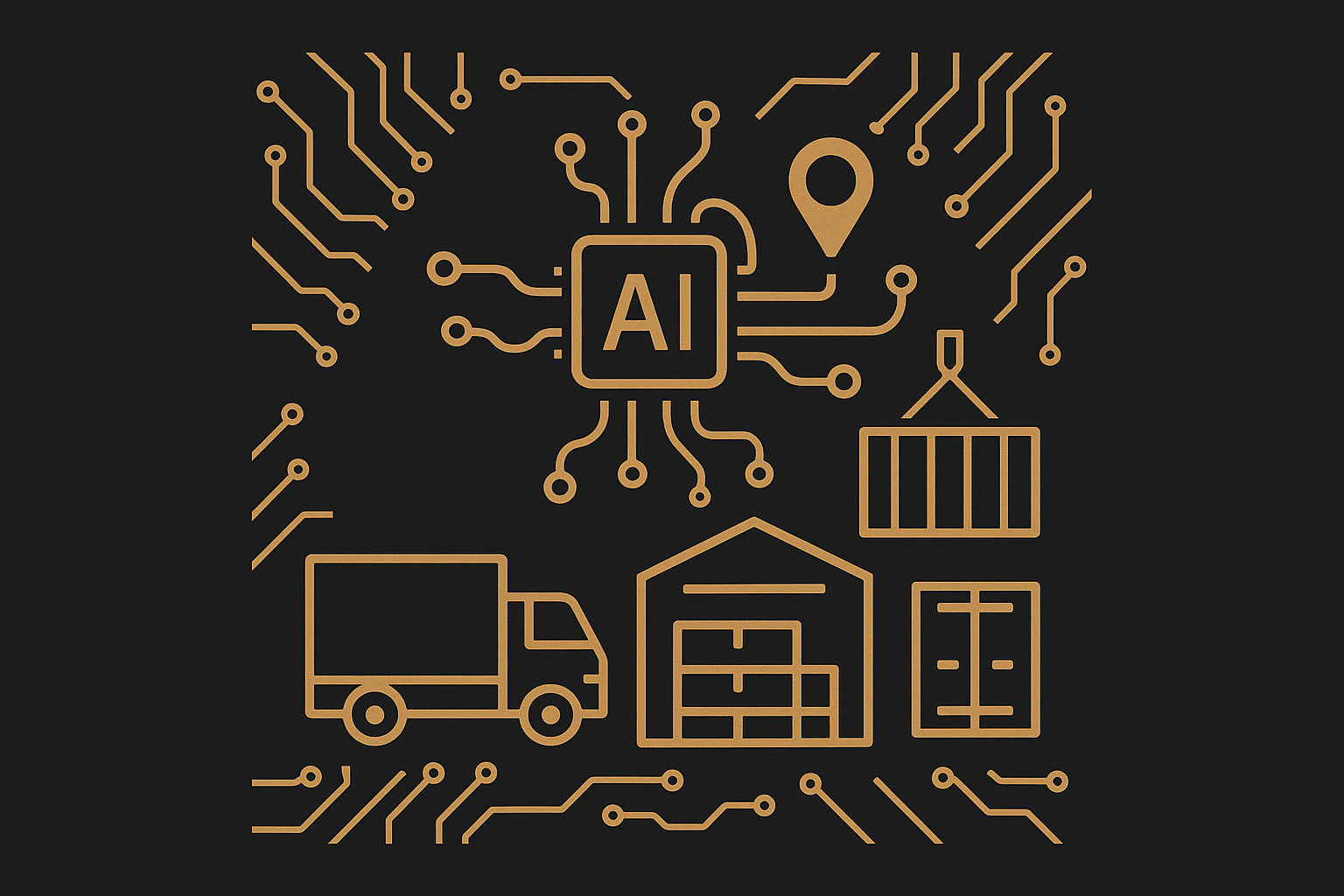
🎯 Transforming Supply Chain Excellence Through AI Automation
Modern supply chains operate in an increasingly complex global environment with rising customer expectations, volatile demand patterns, and unprecedented disruption risks. AI automation provides the intelligence, agility, and resilience needed to optimize operations while maintaining service excellence.
Our logistics clients achieve 20-35% cost reduction and 25-40% efficiency improvements through strategic automation implementation designed for mission-critical supply chain operations.
📊 The Supply Chain Automation Revolution
🔄 Evolution from Linear to Intelligent Networks
Traditional supply chains operated as linear sequences of activities with limited visibility and reactive decision-making. Modern AI-powered supply networks create intelligent, interconnected systems that anticipate needs, optimize resources, and adapt to changing conditions in real-time.
Traditional Supply Chain relied on historical data, manual planning, and reactive responses to disruptions. These systems struggled with demand volatility, limited visibility, and inefficient resource allocation.
AI-Automated Supply Networks leverage real-time data, predictive analytics, and autonomous decision-making to create responsive, self-optimizing systems that deliver superior performance across all metrics.
📈 Market Drivers and Competitive Pressures
Supply chain automation adoption accelerates due to e-commerce growth, customer expectations for faster delivery, labor shortages, and the need for greater resilience against disruptions. Organizations implementing comprehensive automation strategies report significant competitive advantages.
Digital Supply Chain Transformation integrates IoT sensors, AI analytics, robotic automation, and cloud platforms to create end-to-end visibility and control across global operations.
🎯 Core Supply Chain Automation Applications
📦 Warehouse Management Excellence
Intelligent Inventory Optimization
AI algorithms analyze demand patterns, seasonal variations, supplier performance, and market trends to optimize inventory levels across multiple locations. These systems balance carrying costs against service levels while minimizing stockouts and excess inventory.
Inventory Optimization Benefits:
•30% reduction in inventory carrying costs
•25% improvement in inventory turnover rates
•90% reduction in stockout incidents
•40% decrease in excess and obsolete inventory
Automated Fulfillment Systems
Robotic fulfillment systems integrate with warehouse management systems to automate order picking, packing, and shipping processes. These systems operate 24/7 with consistent accuracy while scaling to handle demand fluctuations.
Case Study Example: LogisticsPro implemented automated fulfillment across three distribution centers, reducing order processing time from 4 hours to 45 minutes while improving accuracy to 99.8% and handling 3x order volume with the same workforce.
🚛 Transportation Optimization
Dynamic Route Planning
AI-powered route optimization considers real-time traffic conditions, weather patterns, delivery windows, vehicle capacities, and driver schedules to create optimal delivery routes. These systems continuously adjust routes based on changing conditions to minimize costs and improve service.
Route Optimization Results:
•20% reduction in fuel costs and vehicle miles
•15% improvement in on-time delivery performance
•25% increase in driver productivity and satisfaction
•30% reduction in transportation planning time
Fleet Management Automation
Intelligent fleet management systems monitor vehicle performance, predict maintenance needs, optimize fuel consumption, and ensure regulatory compliance. These systems provide real-time visibility into fleet operations while reducing costs and improving safety.
Fleet Management Benefits:
•25% reduction in maintenance costs through predictive scheduling
•15% improvement in fuel efficiency through route optimization
•40% reduction in vehicle downtime and delays
•90% improvement in regulatory compliance tracking
📊 Demand Forecasting and Planning
Predictive Demand Analytics
Machine learning algorithms analyze historical sales data, market trends, economic indicators, and external factors to generate accurate demand forecasts. These predictions enable proactive planning and resource allocation across the supply chain.
Forecasting Improvements:
•35% improvement in forecast accuracy
•50% reduction in demand planning cycle time
•25% decrease in safety stock requirements
•40% improvement in production planning efficiency
Supply Chain Visibility and Control
End-to-end supply chain visibility platforms integrate data from suppliers, manufacturers, distributors, and customers to provide real-time insights into supply chain performance and enable proactive decision-making.
Visibility Platform Benefits:
•Real-time tracking of inventory and shipments across all locations
•Early warning systems for potential disruptions and delays
•Performance dashboards for suppliers and logistics partners
•Automated exception management and escalation procedures
🏭 Industry-Specific Logistics Solutions
🛒 Retail and E-Commerce
Omnichannel Fulfillment
AI automation enables seamless integration between online and offline channels, optimizing inventory allocation and fulfillment strategies to meet customer expectations across all touchpoints.
Omnichannel Applications:
•Buy online, pick up in store (BOPIS) optimization
•Ship-from-store inventory utilization
•Cross-channel inventory visibility and allocation
•Dynamic pricing based on inventory levels and demand
Last-Mile Delivery Optimization
Advanced routing algorithms optimize last-mile delivery considering customer preferences, delivery windows, traffic patterns, and driver capabilities to minimize costs while maximizing customer satisfaction.
🏥 Healthcare and Pharmaceuticals
Cold Chain Management
Automated temperature monitoring and control systems ensure pharmaceutical and medical products maintain required conditions throughout the supply chain, with real-time alerts and automated corrective actions.
Cold Chain Automation:
•Continuous temperature and humidity monitoring
•Automated environmental control systems
•Real-time alerts for temperature excursions
•Complete chain of custody documentation
Medical Device Traceability
Serialization and track-and-trace systems provide complete visibility into medical device movement from manufacturing through patient use, ensuring regulatory compliance and enabling rapid recall management.
🏭 Manufacturing and Industrial
Supplier Collaboration Platforms
AI-powered platforms facilitate collaboration between manufacturers and suppliers, optimizing procurement processes, managing supplier performance, and ensuring supply continuity.
Supplier Collaboration Features:
•Automated procurement and purchase order management
•Supplier performance monitoring and scorecarding
•Risk assessment and mitigation planning
•Collaborative demand and capacity planning
Just-in-Time (JIT) Optimization
Intelligent systems coordinate with suppliers and production schedules to optimize JIT delivery, minimizing inventory while ensuring material availability for production requirements.
📊 Supply Chain Automation ROI Analysis
💰 Financial Impact Assessment
Direct Cost Savings
Supply chain automation delivers immediate cost savings through improved efficiency, reduced labor requirements, and optimized resource utilization. Organizations typically achieve 20-30% reduction in total supply chain costs.
Cost Category | Traditional Operations | Automated Operations | Savings |
Transportation | $3.2M annually | $2.4M annually | 25% reduction |
Warehousing | $2.8M annually | $1.8M annually | 36% reduction |
Inventory Carrying | $1.5M annually | $1.0M annually | 33% reduction |
Labor Costs | $2.0M annually | $1.3M annually | 35% reduction |
Technology Systems | $400K annually | $600K annually | -50% increase |
Service Level Improvements
Automated supply chain systems deliver superior customer service through improved accuracy, faster processing, and enhanced visibility.
Service Metrics:
•98% order accuracy vs. 92% manual processing
•50% faster order-to-delivery cycle times
•95% on-time delivery performance
•24/7 order tracking and customer communication
📈 Strategic Business Benefits
Market Responsiveness
Automated supply chains respond faster to market changes, enabling organizations to capitalize on opportunities and mitigate risks more effectively than competitors.
Responsiveness Advantages:
•60% faster response to demand changes
•40% reduction in new product launch time
•50% improvement in promotional campaign support
•30% faster recovery from supply disruptions
Scalability and Growth Support
Automated systems scale efficiently to support business growth without proportional increases in costs or complexity.
🛠️ Implementation Strategy for Supply Chain Automation
📋 Phase 1: Current State Assessment
Supply Chain Mapping
Comprehensive analysis of current supply chain processes, systems, and performance to identify automation opportunities and establish baseline metrics.
Assessment Components:
•End-to-end process mapping and documentation
•System integration and data flow analysis
•Performance measurement and benchmarking
•Technology infrastructure evaluation
•Supplier and partner capability assessment
Automation Opportunity Identification
Systematic evaluation of processes to identify high-impact automation opportunities based on ROI potential, implementation complexity, and strategic importance.
📋 Phase 2: Pilot Implementation
Quick Win Projects
Initial automation implementations focus on processes with clear ROI and manageable complexity to demonstrate value and build organizational support.
Typical Pilot Projects:
•Automated inventory replenishment for specific product categories
•Route optimization for regional delivery operations
•Demand forecasting for high-volume products
•Warehouse picking automation for fast-moving items
Performance Measurement Framework
Establish comprehensive KPIs and monitoring systems to track automation performance and measure business impact.
📋 Phase 3: Enterprise Integration
End-to-End Automation
Expand successful pilot projects across the entire supply chain while integrating systems for seamless information flow and coordinated decision-making.
Integration Considerations:
•Enterprise resource planning (ERP) connectivity
•Transportation management system (TMS) integration
•Warehouse management system (WMS) optimization
•Supplier portal and collaboration platform implementation
Continuous Optimization
Implement ongoing improvement processes to optimize automation performance and identify new opportunities for enhancement.
🎯 Overcoming Supply Chain Automation Challenges
⚠️ Common Implementation Challenges
System Integration Complexity
Supply chains typically involve multiple systems, partners, and data formats that require careful integration planning and execution.
Integration Solutions:
•API-first architecture for system connectivity
•Data standardization and transformation protocols
•Phased integration approach to minimize disruption
•Partner onboarding and training programs
Change Management Across Partners
Supply chain automation often requires coordination and change management across multiple organizations and stakeholders.
Multi-Partner Change Management:
•Stakeholder alignment and communication strategies
•Training programs for partners and suppliers
•Incentive structures to encourage adoption
•Performance monitoring and feedback systems
🔒 Security and Compliance Considerations
Data Security Across Networks
Supply chain automation involves sharing sensitive data across multiple organizations, requiring robust security measures and governance frameworks.
Security Framework:
•End-to-end encryption for data transmission
•Role-based access controls and authentication
•Regular security audits and vulnerability assessments
•Incident response and recovery procedures
Regulatory Compliance Automation
Automated systems help ensure compliance with trade regulations, safety requirements, and industry standards through consistent process execution and documentation.
🚀 Getting Started with Supply Chain Automation
📊 Free Supply Chain Automation Assessment
Evaluate your supply chain automation opportunities with our comprehensive assessment designed for logistics and supply chain organizations.
Assessment Includes:
•Supply chain process analysis and automation potential
•Technology infrastructure evaluation and recommendations
•Supplier and partner readiness assessment
•ROI projections for specific automation initiatives
•Implementation roadmap with realistic timelines
Start Supply Chain Assessment →
📚 Supply Chain Automation Resources
Access our complete library of supply chain automation resources including case studies, implementation guides, and optimization frameworks.
Available Resources:
•Supply chain automation playbook with step-by-step guidance
•ROI calculator for logistics and transportation automation
•Warehouse automation implementation guide
•Demand forecasting and planning framework
•Supplier collaboration platform selection guide
📞 Expert Supply Chain Automation Consulting
AutomateNexus specializes in military-grade automation solutions for supply chain organizations seeking operational excellence.
Our supply chain automation expertise includes:
•Comprehensive supply chain analysis and optimization
•Custom automation solution design and implementation
•Integration with existing logistics systems and partners
•Change management support across multiple organizations
•Ongoing optimization and performance improvement
Supply Chain Industry Experience:
•Retail and e-commerce fulfillment operations
•Healthcare and pharmaceutical distribution
•Manufacturing and industrial supply chains
•Food and beverage logistics networks
•Automotive and aerospace supply chains
Schedule your supply chain automation consultation:
•Website: automatenexus.com
•Email: hello@automatenexus.com
•Phone: [Your Phone Number]
Ready to optimize your supply chain operations? Download our complete Supply Chain Automation Arsenal with industry-specific strategies and implementation guides.